
Shop by Filters
-
 Premium Microfiber Towels - Car Detailing Cloth, (6PCS , BIG Size 30×40cm)
$10.90
Premium Microfiber Towels - Car Detailing Cloth, (6PCS , BIG Size 30×40cm)
$10.90 $29.00 -
 4in1 Car Ceramic Armor Spray Coating - Shine Quick, Coat Wax Spray, Waterless, Polish
$10.90
4in1 Car Ceramic Armor Spray Coating - Shine Quick, Coat Wax Spray, Waterless, Polish
$10.90 $29.00 -
 OneLux Car Windscreen & Glass Oil Film Cleaner - Removal KIT, 30g
$13.39
OneLux Car Windscreen & Glass Oil Film Cleaner - Removal KIT, 30g
$13.39 $29.00 -
 PEGCIZ Car Interior Foam Cleaner Kit (100ml)
$6.90
PEGCIZ Car Interior Foam Cleaner Kit (100ml)
$6.90 $29.00 -
 Foaming Car Interior Cleaner Kit (110ml)
$8.90
Foaming Car Interior Cleaner Kit (110ml)
$8.90 $29.00 -
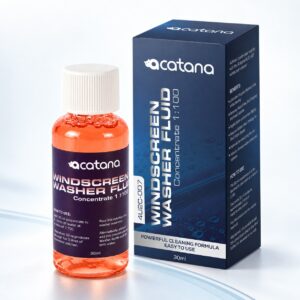 Windscreen Washer Fluid Concentrate 30ml – Streak-Free Cleaner, Oil & Bug Remover, Eco-Friendly Solution
$9.90
Windscreen Washer Fluid Concentrate 30ml – Streak-Free Cleaner, Oil & Bug Remover, Eco-Friendly Solution
$9.90 $29.00 -
 Car Plastic Trim Restorer kit - Repair & Clean Nano Coating for Interior Parts, 50ml
$15.90
Car Plastic Trim Restorer kit - Repair & Clean Nano Coating for Interior Parts, 50ml
$15.90 $29.00
Recently Viewed Products

-

This Oxygen Sensor O2 Post Cat for Toyota Corolla 2003 – 2007 E120 Hatch Lambda Probe can improve engine efficiency performance and fuel economy, reduce CO2 and other emissions. This part will compatible with OEM 89465-06230, 8946506230
-
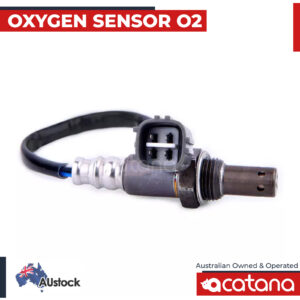
This Oxygen Sensor O2 Post Cat for Toyota Corolla 2003 – 2010 Lambda Probe can improve engine efficiency performance and fuel economy, reduce CO2 and other emissions. This part will compatible with OEM 89465-06230, 8946506230
ABOUT Oxygen Lambda Sensors
What is o2 Oxygen Sensor
An Oxygen Sensor, also known as an O2 sensor or Lambda sensor, is a device used in modern automobiles to monitor the oxygen content in the engine exhaust. The primary function of the sensor is to ensure that the engine is running efficiently by measuring the ratio of air to fuel in the combustion chamber.
The O2 sensor is usually located in the exhaust system, near the catalytic converter. It works by measuring the oxygen content in the exhaust gases and sending this information to the engine control module (ECM). The ECM then uses this data to adjust the air-fuel ratio for optimal combustion efficiency, which helps to reduce emissions and improve fuel economy.
There are two types of O2 sensors: zirconia sensors and titanium sensors. Zirconia sensors are the most common type, and they work by measuring the difference in oxygen concentration between the exhaust gas and a reference air sample. Titanium sensors are less common and are primarily used in diesel engines.
Overall, the Oxygen Lambda Sensor is an essential component of modern engine management systems, helping to improve performance, reduce emissions, and increase fuel efficiency.”
What is the symptoms of a broken Oxygen Sensor?
When an Oxygen Lambda Sensor is not working properly, it can cause several symptoms that may indicate a problem. Here are some common symptoms of a broken or failing O2 sensor:
- Check Engine Light: One of the most common symptoms of a faulty O2 sensor is an illuminated Check Engine Light on the dashboard. This warning light is triggered when the engine control module detects a problem with the O2 sensor or the emissions system.
- Poor Fuel Economy: If the O2 sensor is not functioning correctly, it may cause the engine to run rich (too much fuel) or lean (too little fuel). This can lead to poor fuel economy and increased emissions.
- Rough Idle: A broken O2 sensor can also cause the engine to idle roughly or stall. This is because the engine control module relies on the O2 sensor to adjust the air-fuel ratio for optimal combustion.
- Increased Emissions: A faulty O2 sensor can cause the engine to produce higher emissions, which can lead to a failed emissions test or environmental damage.
- Reduced Performance: A malfunctioning O2 sensor can also cause a reduction in engine performance, including acceleration and power.
It is important to have a faulty O2 sensor diagnosed and repaired promptly to prevent further damage to the engine and emissions system.
Where is the Oxygen Sensor located?
The location of the Oxygen Lambda Sensor can vary depending on the make and model of the vehicle. In most cases, the sensor is located in the exhaust system, near the catalytic converter. However, it can also be located before or after the catalytic converter, depending on the vehicle’s design.
To locate the O2 sensor in your vehicle, you can refer to the owner’s manual or consult with a professional mechanic. They will be able to help you identify the location of the sensor and provide guidance on how to replace or repair it if necessary. In some cases, special tools may be required to access and remove the sensor, so it is important to have the job done by a qualified technician.
How to Replace Oxygen Sensor
Replacing the Oxygen Lambda Sensor is a relatively straightforward process that can be done with basic tools. Here are the general steps involved in replacing the O2 sensor:
- Locate the sensor: First, locate the sensor by referring to the owner’s manual or consulting with a professional mechanic.
- Disconnect the electrical connector: Next, disconnect the electrical connector from the sensor. Depending on the vehicle, this may involve pressing a tab or pulling a clip.
- Remove the sensor: Use a wrench or special O2 sensor socket to remove the sensor from the exhaust system. It may be necessary to apply some penetrating oil to loosen the sensor.
- Install the new sensor: Install the new sensor in the same location as the old one, using a new gasket if required. Tighten the sensor to the specified torque setting.
- Reconnect the electrical connector: Connect the electrical connector to the new sensor, ensuring that it is properly seated.
- Clear the codes: Clear any diagnostic trouble codes (DTCs) stored in the engine control module using a code scanner.
- Test the system: Start the engine and test the system to ensure that the new sensor is functioning correctly. Check for any warning lights or error messages, and monitor the engine’s performance.
It is important to note that the exact process may vary depending on the make and model of the vehicle. If you are unsure about how to replace the Oxygen Lambda Sensor, it is recommended to seek the help of a professional mechanic.”
Showing 49–50 of 50 results